
Instinct vs Logic in Alles Spitze Slot for UK Discussion
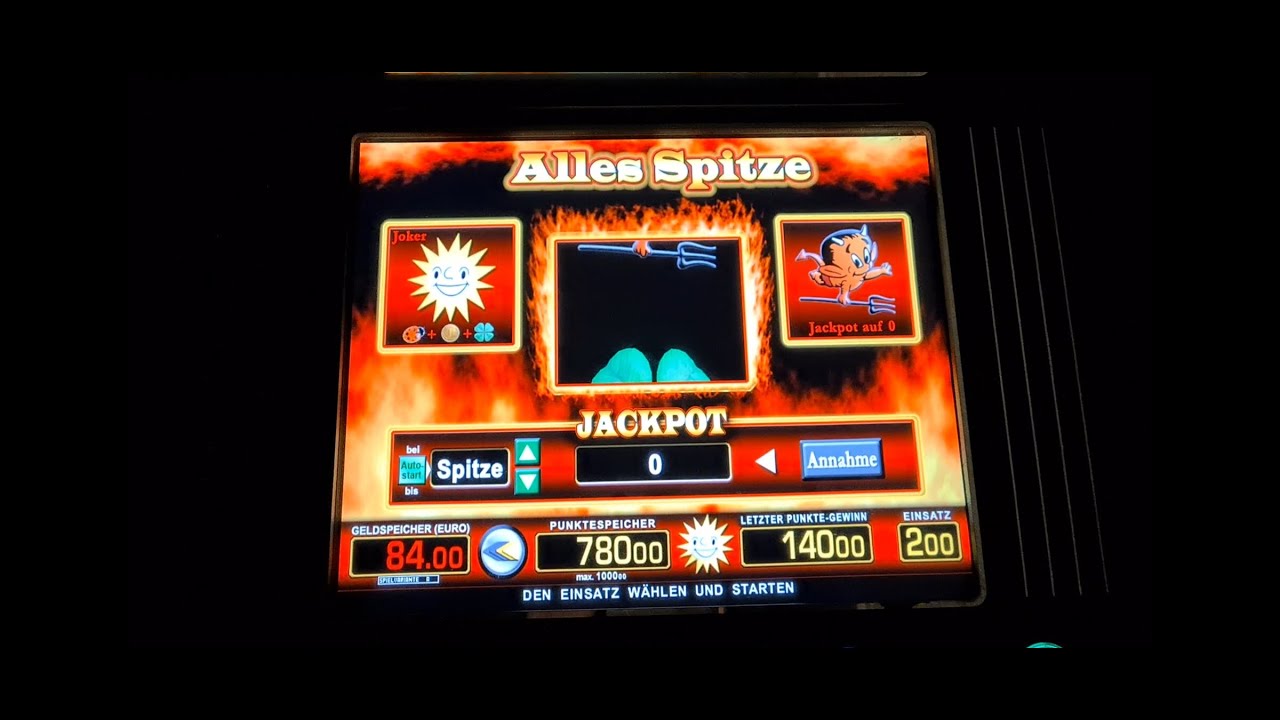
The online Slot Alles Spitze Withdrawal Methods Alles Spitze transforms every spin into a subtle clash. Would you trust your gut, or follow the figures? This is not merely about success or losing. It’s a direct battle between two mindsets, unfolded across its colorful, bustling slots. The game’s structure and features make it a perfect arena to watch how instinct and rationality shape every decision a user makes, from the amount of their bet to the time they leave.
Psychological Triggers In the Slot Design
Alles Spitze’s design skillfully powers this psychological conflict. The developers utilize techniques that speak directly to both intuitive and logical thinking. Celebratory sounds, animated sequences, and visual cues for near-wins engage the intuitive side, creating a sense of agency and anticipation that logic cannot explain.
- Sensory Responses: Wins come with distinct sounds and animations. This positive reinforcement operates at an intuitive level, even when the win is minuscule. Losses, on the other hand, often trigger a neutral or minimal response. This lessens the sting and holds players in their seats.
- Illusion of Control: Features like manual « stop » buttons or interactive bonus rounds satisfy the logical desire for agency. Pressing the stop button has no effect on the outcome, but the simple act of doing it meets a deep need to participate, to be more than just a spectator.
- Variable Reward Schedules: The unpredictable timing of bonuses taps into a core psychological principle. It maintains both intuition and logic constantly engaged. The brain’s reward centres are most active when a reward is anticipated, not when it’s a sure thing. This schedule is what makes repetitive play so engaging.
- LDWs: This is a major trigger. It occurs when a spin pays back less than your original bet, but the game still plays winning sounds and animations. The intuitive brain interprets a win, overriding the logical fact that you actually lost money. It’s a powerful trick that prompts you to keep playing.
None of this is random. These elements are crafted to sustain engagement by appealing to both sides of your brain. The debate between intuition and logic is integral to the game’s design. The energetic « party » theme diminishes your inhibitions for intuitive play, while the clear displays of bet amounts and balance give the logical mind the data it seeks.
Risk Evaluation: Gut Feeling Vs. Mathematical Probability
This is the moment when intuition and logic split apart most sharply. Intuitive risk assessment is quick and driven by emotion. It’s grounded in the immediate past. A large win can make risk feel trivial. A setback can make danger seem everywhere. This is the domain of the gambler’s error, a typical gut-level mistake.
Rational risk evaluation depends on the immutable mathematics of the game. It encompasses understanding volatility and the house advantage. The reasoned player knows each spin is separate. Past results are irrelevant. They measure risk according to their funds and the statistical spread of potential results, not on a temporary feeling.
The instinctive hunch about risk often stems from cognitive shortcuts, or cognitive biases. The « ease-of-recall bias » means you judge the risk of losing by how readily you can recall recent setbacks. After a few poor rounds, the danger seems enormous. After a success, it seems insignificant. Rational evaluation uses a pre-set plan to fight this bias. By establishing a loss cap before playing and following it without exception, the logical player establishes a defense against intuitive misjudgment.
They also perceive the bonus purchase option in a different light. Instinct might view the initial fee as a guaranteed ticket to fun, a way to bypass the « hazard » of failing to activate the bonus. Rationality frames that same expense as an additional casino advantage, a extra fee paid for certainty that, eventually, will diminish your final profit. One perspective views it as risk reduction, the other as cutting value. The same mechanism, viewed through two totally separate minds.
The Strategic Planner’s Strategic Framework
The logical analyst treats Alles Spitze as if it were a series of problems to tackle. They start with the given variables. Their focus are money management, a strong understanding of the regulations, and the unyielding truths of chance. All choice is calculated. They establish loss limits, select bet sizes as a fraction of their balance, and know the precise conditions for triggering each feature.
This system is built on objective analysis. They accept the RNG’s randomness, but they leverage every fragment of obtainable data to make informed decisions. Their aim is to lengthen their playing time, handle exposure, and derive the maximum advantage from any offers. The playing session is a measured endeavor, not an passionate ride.
Planning is paramount. Before spinning, they’ll know the game’s published RTP (usually about 96%) and its volatility level. They comprehend that a high-volatility slot like Alles Spitze indicates fewer payouts, but the wins can be larger. This truth influences their entire money management plan. They’ll fund their session with sufficient to endure a dry spell, often betting in modest, set increments.
Their approach to incentives is likewise as systematic. They are aware of the average payout from the bonus spins round. If there’s a « Bonus Buy » choice, they’ll weigh its price to that mean return. Is the initial premium worth it, or does it merely eat into their funds? All choice is a cost-benefit evaluation. They strip away the showy presentation to analyze the statistical framework underneath, all to enhance their fun per dollar spent.
Synthesizing Approaches for Well-Rounded Play
The smartest way to play Alles Spitze may not be to take a stance, but to combine them. A well-rounded player starts with a rational foundation: a specific budget, a knowledge of the rules, and an acceptance of the RNG. Then, they let intuition guide the minor decisions within that protected space. This combined approach acknowledges the mathematics without neglecting the human desire for fun.
For example, a player could logically decide to spend a set amount on a session. Once that threshold is defined, they could intuitively decide to raise their stake a little during a exciting bonus round, or move to auto-spin for a while. This combination concedes that slots are entertainment. Pure logic alone can make them uninspiring, but raw instinct can lead to reckless play.
A effective blend includes a flexible playbook. The analytical foundation includes a firm deposit limit and a session timer. The intuitive layer then dictates the tempo. Perhaps you begin with smaller bets to « get a feel » for the game, then adjust based on the flow, all while staying inside your financial guardrails. You use logic to create the cage, but let intuition be the bird inside.
This well-rounded mindset also shifts the goal. The aim moves from winning money to acquiring entertainment. When you logically plan £20 for two hours of fun, any win is a bonus that lengthens the show. Intuition then makes that show more absorbing by adding spontaneity. The player who combines both understands the real « win » is an delightful, regulated experience. The debate between intuition and logic isn’t a battle to be conquered. It’s part of the spectacle.
The struggle between intuition and logic in Alles Spitze reflects a common struggle in how we make decisions. It shows that gaming is far from a idle activity. It’s a dynamic cognitive landscape. By recognizing the value in both instinct and analysis, players can foster a more mindful and satisfying relationship with the game. You can value it for what it is: a mathematical puzzle enclosed inside a engrossing story.
Exploring the Intuitive Player’s Method
The intuitive player follows a distinct kind of signal. They don’t crunch numbers. They’re sensing the rhythm of the game. This player might raise their bet because the machine feels « hot, » or because they have a hunch the bonus is about to land. They go with impulse, changing their strategy on a whim rather than following a plan.
For them, the game is about entertainment and emotion. They are attuned to the sensory feedback: the celebratory jingle, the heart-skip of a near-miss, the jolt of a surprise win. The session is a story they’re experiencing, where enjoyment is the main point. The statistics are a boring footnote.
They craft this story on a personal kind of pattern recognition. Maybe they observed the last two bonuses came after a specific sequence of blank spins and a particular sound. They’ll start waiting for that pattern again, even though the RNG doesn’t work that way. This plays on a deep human need to find cause and effect. It converts a string of random events into a personal tale of luck and timing.
The game’s theme captivates them, too. Alles Spitze has a vibrant German party vibe, all bright colours and upbeat music. It’s designed to lift your mood and encourage a celebratory, spontaneous style. The intuitive player goes with this wave. ibisworld.com They let the game’s energy dictate their betting tempo and their decision to carry on or stop. « It just feels right tonight, » is a completely reasonable reason for anything they do.
The Fundamental Mechanics of Alles Spitze Slot
You have to learn the rules before you can pick a side. Alles Spitze is a video slot built for a good time, loaded with interactive features. It runs on a familiar grid of reels and paylines, where you align matching symbols to get a win. You’ll see the usual collection of icons: standard symbols, wilds, and scatters.
Its real personality shines through in the bonus rounds, free spins, and special symbols that lead to bigger payouts. The game’s character is defined by numbers like its volatility and its Return to Player (RTP) percentage. These figures create a mathematical framework. For the logical player, this framework is the only map they need. It reveals to them the lay of the land before they place their first bet.
Take the bonus round in Alles Spitze. It’s seldom a simple, one-off event. More often, it’s a multi-stage affair that demands you make choices. Each choice is a tiny drama. Do you go for the bigger multiplier, or choose the safer, smaller win? The game’s volatility isn’t just a label; it’s reflected in the symbols you see. Low-paying symbols pop up often, keeping the screen busy. The high-value ones are harder to find, creating a tension that fuels both gut feelings and cold calculations.
Underneath all the flashing lights, a Random Number Generator (RNG) is operating. This is the unshakeable law of the land. It guarantees every spin is independent and random. The logical player views this as reality. But the game’s presentation—the way the reels often decelerate for excitement, the fireworks on a win—tells a different, more intuitive story. It transforms randomness seem like fate, and that’s where the debate really starts.
The point where Intuition and Logic Collide in Gameplay
The most compelling moments in Alles Spitze happen right where these two mindsets intersect. Look at the choice to buy a bonus feature versus awaiting it to trigger naturally. Logic indicates the cost versus the average return. Intuition hints that buying the bonus might snap a cold streak. Or after a string of losses, logic says stick to the plan. Intuition urges to change the bet level, now.
Then there’s the decision to cease. The logical player has pre-set limits. But intuition might beg for « just five more spins » when luck feels close, or scream to quit early during a downturn that feels endless. These internal arguments are the real game within the game, a constant back-and-forth between heart and mind.
The collision is most pronounced during a winning streak. Logic knows about regression to the mean. It cautions that a streak is just a random cluster in a long sequence, and advises maintaining the original bet size. Intuition interprets the streak as a shift in the universe. The machine is « hot, » and it’s time to bet bigger to ride the wave. This fundamental disagreement on what randomness actually resembles creates a powerful cognitive dissonance every player must face.
The clash persists in the bonus rounds. Alles Spitze often contains pick-and-click features where you choose from several options. Logic says the outcome is predetermined; there is no right choice. Yet intuition will have you scanning for visual clues, hesitating over a certain box, or pursuing a « lucky feeling » about a particular symbol. It’s a way of imbuing a random event with personal meaning and a sense of control.
Laisser un commentaire